

- Naas Automation
- Our Services
- Manual Valves

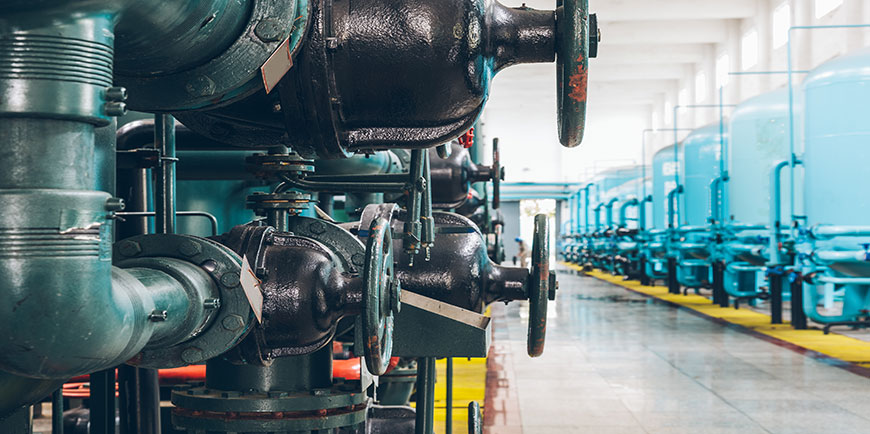
Manual Valves
Manual valves are fundamental components used to control the flow of liquids, gases, and other media through a piping system. Operated by hand using levers, handwheels, or handles, these valves provide simple, reliable, and cost-effective flow control without the need for external power.
Key Features
- Simple and easy to operate
- No requirement for electricity or compressed air
- Durable construction for long service life
- Cost-effective solution for flow control
- Available in various sizes and materials
- Minimal maintenance requirements
Types of Manual Valves
1. Ball Valves
Ball valves use a rotating ball with a bore to control flow. They provide quick shut-off and are known for tight sealing and durability.
2. Gate Valves
Gate valves are designed for fully open or fully closed positions. They offer minimal flow resistance when fully open.
3. Globe Valves
Globe valves are used for regulating flow. They provide better throttling capability compared to other valve types.
4. Butterfly Valves
Butterfly valves use a rotating disc to control flow. They are lightweight, compact, and suitable for large-diameter pipelines.
5. Plug Valves
Plug valves use a cylindrical or tapered plug to control flow. They are ideal for quick operation and simple applications.
Applications
Manual valves are widely used in:
- Water supply systems
- Oil & gas industries
- Chemical processing plants
- HVAC systems
- Agriculture and irrigation
- General industrial applications
Benefits
- Reliable performance without automation
- Easy installation and operation
- Lower initial and maintenance costs
- Suitable for remote or low-resource environments
- High durability in harsh conditions
Why Choose Manual Valves?
Manual valves are ideal for systems where automation is not required or where manual control is preferred. Their simplicity, reliability, and cost-effectiveness make them a dependable choice across a wide range of industries.